Lisa Humphrey
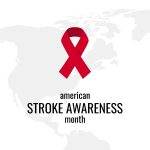
May is Stroke Awareness Month.
We often hear about acting fast when a stroke happens. What we don’t hear enough about is what happens after.
When rehab ends, many survivors and families are still facing challenges—especially changes in memory, focus, and mental clarity. Many survivors describe it as brain fog.
Recovery Is More Than Physical
At the Stroke Life Center, we meet survivors at every stage.
Some walk in. Others arrive with canes, walkers, or wheelchairs. Many come through our doors asking the same question: “Can I still get better?”
In our support groups, we often hear things like:
- “I feel more anxious now.”
- “It takes me longer to think.”
- “I know what I want to say, but it takes time.”
One survivor put it simply: “I hear you… it just takes me a minute to catch up.”
Sometimes these changes happen right away. Sometimes families notice them months later. That can be frustrating and confusing.
Why This Happens
Stroke affects the brain, so it can also affect memory, focus, and decision-making.
For some survivors, stroke can increase the risk of vascular dementia or other cognitive challenges. It’s important to know that not every cognitive change after stroke leads to dementia. Many changes can improve or be managed with the right support.
Providers like Arista Home Care Solutions often help families manage these changes at home.
They may look like:
- Repeating questions
- Confusion with routines
- Feeling overwhelmed by everyday choices
One caregiver said: “We were ready for the physical recovery. We weren’t ready for this part.”
There Is Hope
The brain can adapt and continue healing—a process called neuroplasticity. Recovery and adaptation can continue long after the initial stroke.
We’ve seen survivors who felt stuck begin reconnecting, gaining confidence, and making progress again.
One survivor smiled and said: “I feel like I’m getting pieces of myself back.”
That progress often starts with support, routine, and staying connected. Results vary by individual, but improvement is possible for many people.
Where Families Feel Lost
When therapy ends, many families feel support disappears too.
Some survivors are still struggling physically but are told they’ve “plateaued”—a term sometimes driven by insurance limits rather than a true ceiling on recovery.
Others are dealing with invisible challenges no one prepared them for.
One caregiver said it best: “Therapy ended, but the struggle didn’t.”
Support Makes the Difference
The Stroke Life Center offers ongoing support for survivors and families through:
- Support groups
- Caregiver education
- Movement and speech therapy
- Community connection
And Arista Home Care Solutions provides in-home support to help families manage daily life safely and confidently.
Together, these resources can help survivors and families move forward with confidence—not just cope.
What to Do Next
- ✔ Talk to your doctor about a cognitive screening
- ✔ Notice small changes early
- ✔ Keep routines simple and consistent
- ✔ Stay socially connected
- ✔ Ask for help sooner rather than later
You’re Not Alone
Recovery doesn’t stop when therapy ends.
And you don’t have to figure it out alone.