
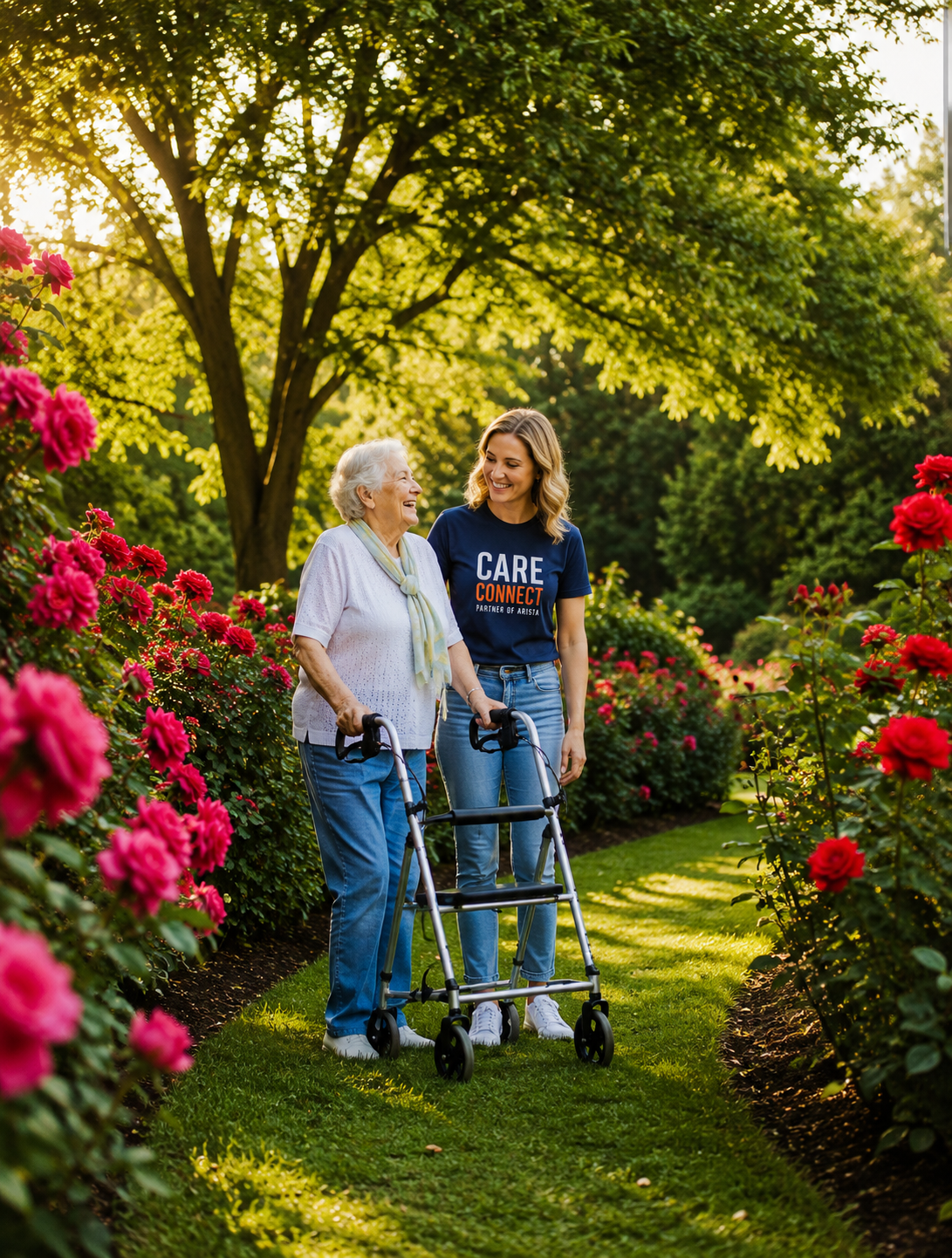
Summer is a wonderful time to enjoy the outdoors, whether it’s gardening, taking a walk, attending a grandchild’s ballgame, or relaxing on the porch. But for older adults, spending time in the sun comes with added risks that shouldn’t be overlooked.
Skin cancer is the most common cancer in the United States, and the risk increases with age. Years of cumulative sun exposure, along with the natural thinning of aging skin, make older adults more susceptible to sun damage. Certain medications, including some antibiotics, diuretics, and steroids, can also increase sensitivity to sunlight.
The good news? It’s never too late to protect your skin. A few simple habits can significantly reduce the risk of sunburn, heat-related illness, and skin cancer.
Sun Safety Tips for Seniors
Apply sunscreen every day.
Choose a broad-spectrum sunscreen with an SPF of 30 or higher. Apply it to all exposed skin at least 15 minutes before going outside, including your ears, neck, hands, and feet. Reapply every two hours, or more often if you’re sweating or spending time in the water.
Stay hydrated.
Older adults may not feel thirsty even when their bodies need fluids. Drink water throughout the day, especially before and during outdoor activities. Staying hydrated helps prevent heat exhaustion and heat stroke.
Dress for protection.
Lightweight, loose-fitting clothing helps keep you cool while protecting your skin. Long sleeves, lightweight pants, and a wide-brimmed hat provide excellent protection from harmful UV rays.
Don’t forget your eyes.
Wear sunglasses that block 100% of UVA and UVB rays. Protecting your eyes can help reduce the risk of cataracts and other sun-related eye conditions.
Avoid the hottest part of the day.
The sun’s rays are strongest between 10 a.m. and 4 p.m. Whenever possible, schedule outdoor activities in the early morning or later in the evening and seek shade whenever you can.
Skip the tan.
There is no such thing as a healthy tan. Whether from the sun or a tanning bed, ultraviolet (UV) radiation damages the skin and increases the risk of skin cancer and premature aging.
Check your skin regularly.
Watch for new moles or changes in existing spots. Look for sores that don’t heal, rough patches, or areas that change in size, shape, or color. If you notice anything unusual, schedule an appointment with your healthcare provider or dermatologist. Early detection greatly improves treatment outcomes.
Be aware of medication side effects.
Some prescription and over-the-counter medications can make your skin more sensitive to sunlight. Ask your pharmacist or healthcare provider whether any of your medications increase your risk of sunburn.
A Special Note for Families Caring for Someone with Dementia
If your loved one is living with dementia, summer brings additional challenges. Dementia can affect how the brain interprets temperature and physical comfort. A person may not recognize that they are becoming overheated or dehydrated, or they may insist on wearing a heavy sweater or winter coat on a hot summer day.
Many people with dementia also forget to drink enough water or may be unable to communicate that they are feeling too hot. For this reason, family members and caregivers should be proactive.
Before heading outdoors, help your loved one choose weather-appropriate clothing, apply sunscreen, wear a hat, and bring a water bottle. Plan outdoor activities during the cooler morning hours whenever possible and take frequent breaks in the shade or an air-conditioned space.
Watch closely for signs of overheating or dehydration, including flushed skin, dizziness, unusual fatigue, increased confusion, irritability, or weakness. Acting quickly can prevent a medical emergency.
From Paula’s Perspective
Paula Birney, CMA, CDP
One of the first things I teach families is that dementia changes how a person experiences the world. What may seem like stubbornness—refusing to remove a winter coat in July or insisting they aren’t thirsty—may actually be the result of changes in the brain.
Over the years, I’ve learned that when families understand why these behaviors happen, they stop feeling frustrated and start feeling more confident. Instead of arguing or correcting, they can gently redirect, reassure, and keep their loved one safe.
My hope is that every family caring for someone with dementia knows they don’t have to figure it all out alone. Sometimes a little understanding can make the biggest difference.
Learn More
- American Academy of Dermatology: Sunscreen and sun safety
- American Cancer Society: Skin cancer prevention and early detection
- Centers for Disease Control and Prevention: Heat safety for older adults
This article is intended for educational purposes and should not replace medical advice from your healthcare provider. If you notice concerning changes in your skin or have questions about medications and sun exposure, consult your physician or dermatologist.